
What Is Qwen? Alibaba’s Flagship AI Model, Explained Simply
Qwen (also written 通义千问, or Tongyi Qianwen) is Alibaba’s family of AI models — its flagship AI and its closest answer to ChatGPT. It was built by Alibaba Cloud, the cloud-computing arm of the Alibaba Group, and the first Qwen models were released in 2023.
If you’ve searched “does Alibaba have its own ChatGPT?”, Qwen is the answer. You can chat with it free in your browser, and developers can download many Qwen models to run themselves.
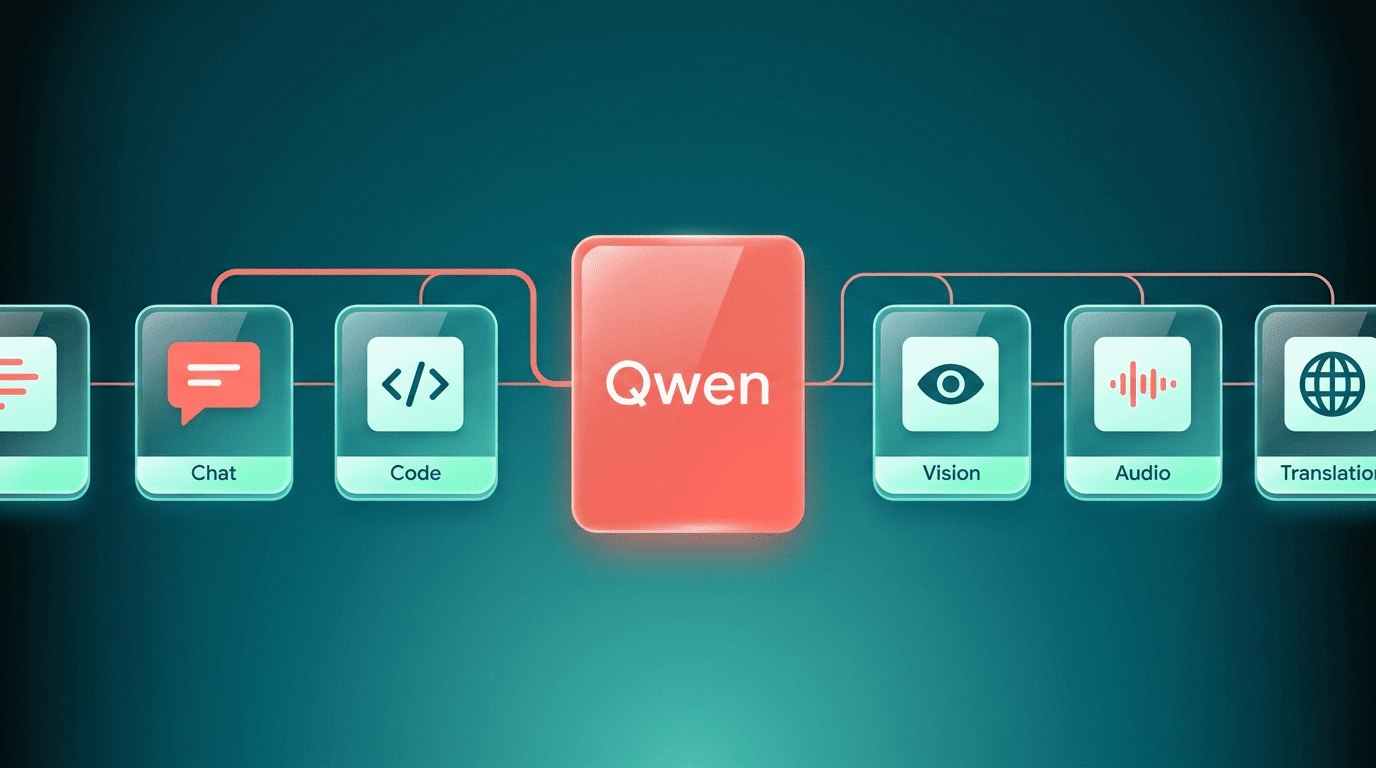
Qwen in one minute: what it actually is
A plain-English definition
Qwen is a family of large language models (LLMs) — the same kind of technology behind ChatGPT and Google Gemini — built by Alibaba Cloud. “Tongyi Qianwen” (通义千问) is the original Chinese name; “Qwen” is the short international name you’ll see on Hugging Face, GitHub, and elsewhere. Keep it simple: it reads and writes text, answers questions, summarizes documents, translates between languages, and writes code.
Alibaba positions Qwen as its flagship AI effort, and it’s the model line most often described as Alibaba’s version of ChatGPT.
Quick-facts table
| What you want to know | Answer |
|---|---|
| What it is | A family of AI language models (LLMs) |
| Maker | Alibaba Cloud (Alibaba Group) |
| Also called | Tongyi Qianwen (通义千问) |
| First released | 2023 |
| Try it free | Qwen Chat (chat.qwen.ai) |
| Download models | Hugging Face, ModelScope |
| Often compared to | ChatGPT (GPT-5.6 Sol), Anthropic’s Claude Fable 5, Google Gemini, DeepSeek |
Who made Qwen — and where the name comes from
Alibaba Cloud — the cloud-computing division of Alibaba Group, the large Chinese e-commerce and technology company — builds and maintains Qwen. The original name, Tongyi Qianwen (通义千问), roughly points to “a universal model that answers a thousand questions”; international releases are simply branded “Qwen.”
Qwen isn’t just a research project — it also powers Alibaba’s own Tongyi consumer assistant app used inside China, which gives the model line a large everyday audience beyond developers. You can read Alibaba’s own framing of the model on its Alibaba Cloud Qwen page.
The Qwen family: one name, many models
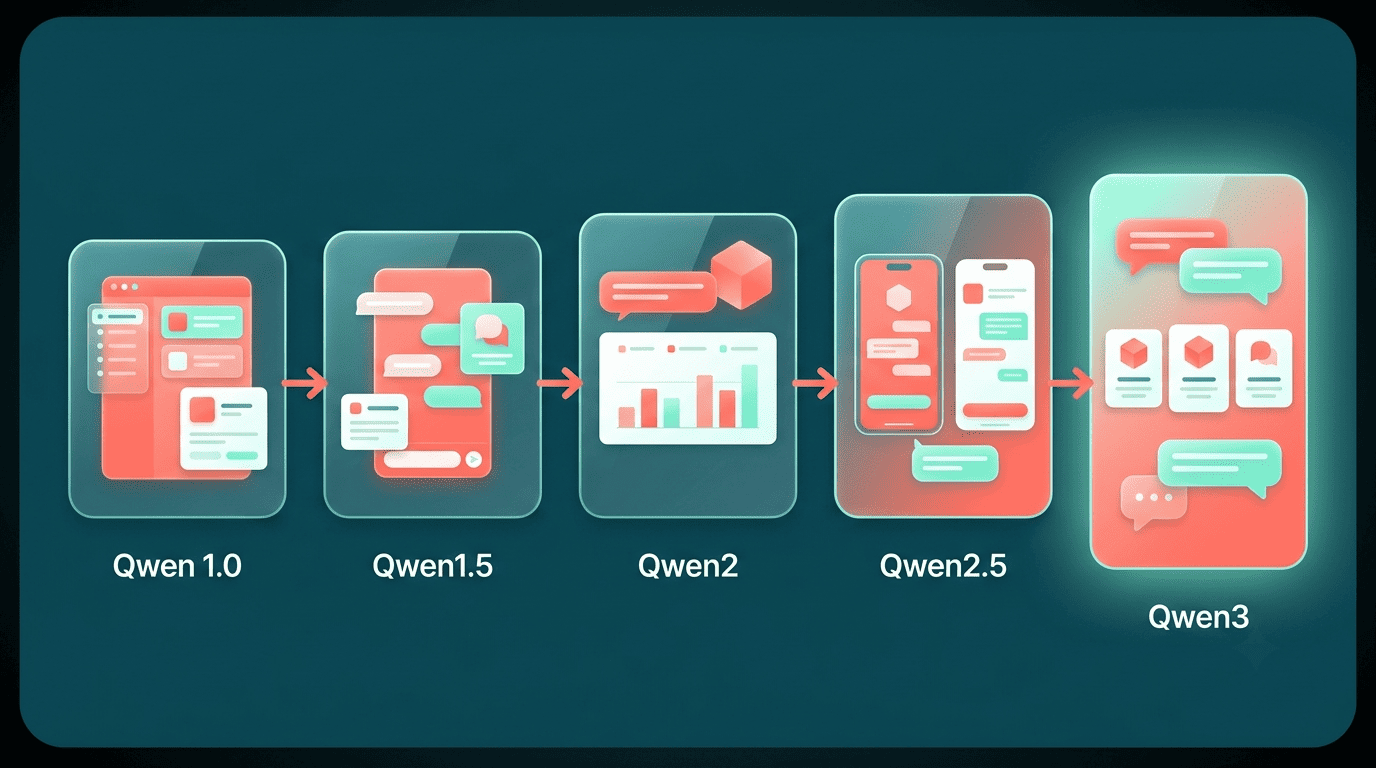
“Qwen” is not one single model but a whole family that has grown release by release since 2023.
Main generations (the “regular” chat/text models)
| Generation | What it is |
|---|---|
| Qwen (1.0) | The original 2023 release |
| Qwen1.5 | An update to the first generation |
| Qwen2 | Second generation |
| Qwen2.5 | A widely used, refined generation |
| Qwen3 | The latest confirmed generation, which Alibaba describes as its most capable to date |
Newer versions may exist by the time you’re reading this — always check the official Qwen blog for the current lineup rather than relying on a single snapshot.
Specialized Qwen models
- Qwen-Coder / Qwen2.5-Coder — tuned specifically for writing and understanding code
- Qwen-VL / Qwen2.5-VL — “vision-language” models that can look at images, not just read text
- Qwen-Audio — works with audio input
- Qwen-Math — focused on solving math problems
- QwQ — a reasoning-focused model built to work through harder, multi-step problems
Alibaba has released these models across a wide range of sizes, from small versions light enough to run on a laptop up to much larger ones, plus mixture-of-experts (MoE) variants that combine several specialized sub-models internally.
A sibling worth knowing: Wan (images & video)
Beyond text, Alibaba also makes Wan (通义万相, Tongyi Wanxiang), its image- and video-generation model line, and has released some of these video models openly on platforms like GitHub and Hugging Face — a separate product from Qwen, but built by the same company.
Qwen vs ChatGPT: how they relate
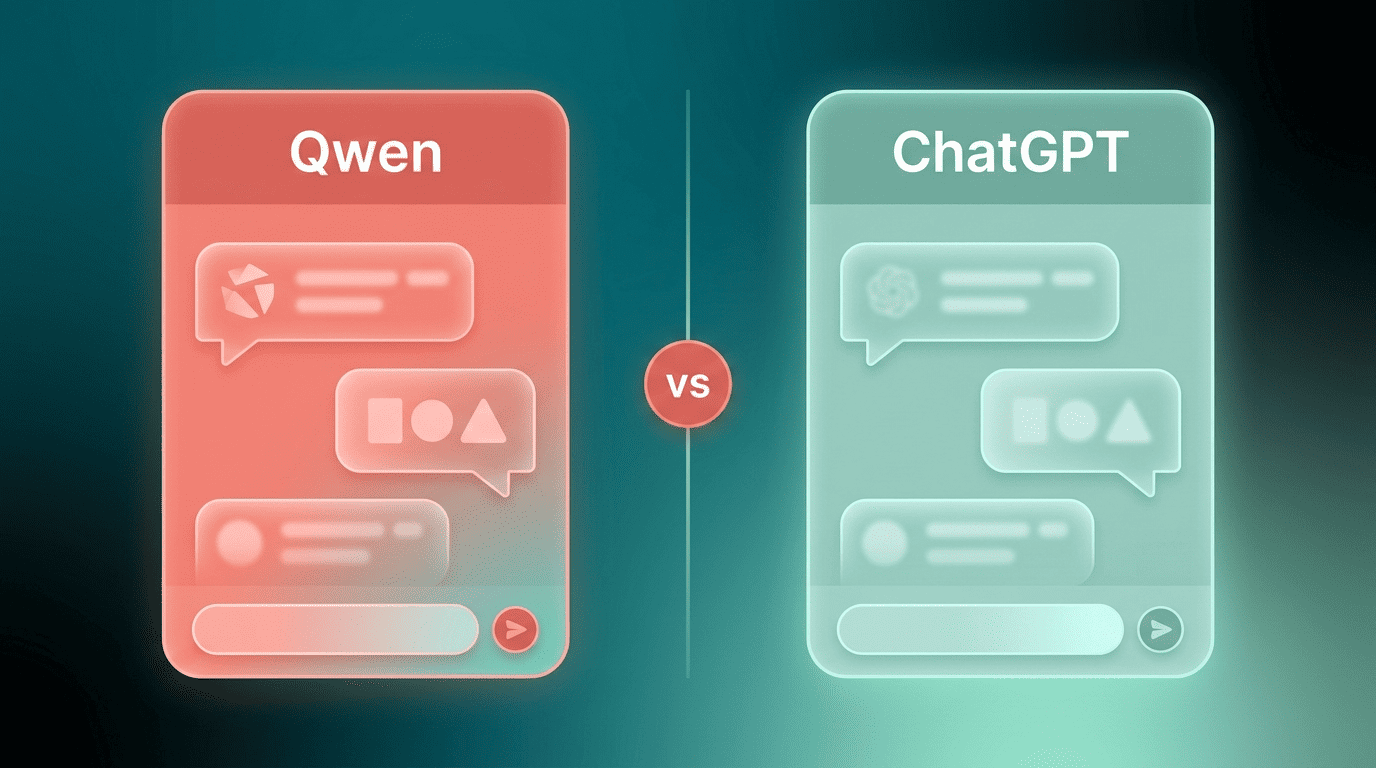
At the surface level, Qwen and ChatGPT are the same kind of tool: a chat window where you type a question and get a written answer back. The differences show up underneath — who built each one, where they’re based, and how openly the underlying models are shared.
Wikipedia’s overview of the project captures the basic identity of the model line:
Qwen, full name Tongyi Qianwen, is a family of large language models developed by Alibaba Cloud.
Wikipedia — Qwen
That single fact — Alibaba Cloud as the maker — is the starting point for every comparison people make between Qwen and ChatGPT.
Side-by-side comparison
| Qwen | ChatGPT | |
|---|---|---|
| Maker | Alibaba Cloud | OpenAI |
| Origin | China | United States |
| Free chat | Qwen Chat, free to use | Free tier available |
| Open weights / downloadable | Many models, largely under Apache 2.0 | Mostly closed, not downloadable |
| Multilingual | Strong; Alibaba emphasizes broad language coverage | Strong, widely multilingual |
| Specialized versions | Qwen-Coder, Qwen-VL, Qwen-Audio, Qwen-Math, QwQ | GPT model variants, led by the flagship GPT-5.6 Sol |
The key difference for everyday users
For casual chatting, the two feel similar — you type, it answers. Qwen’s standout trait is that Alibaba openly publishes many of its models for anyone to download and run themselves, something most ChatGPT models simply don’t allow. That openness is what pulls developers and researchers toward Qwen even when they already use ChatGPT day to day.
Is Qwen free? (Yes — here’s the nuance)
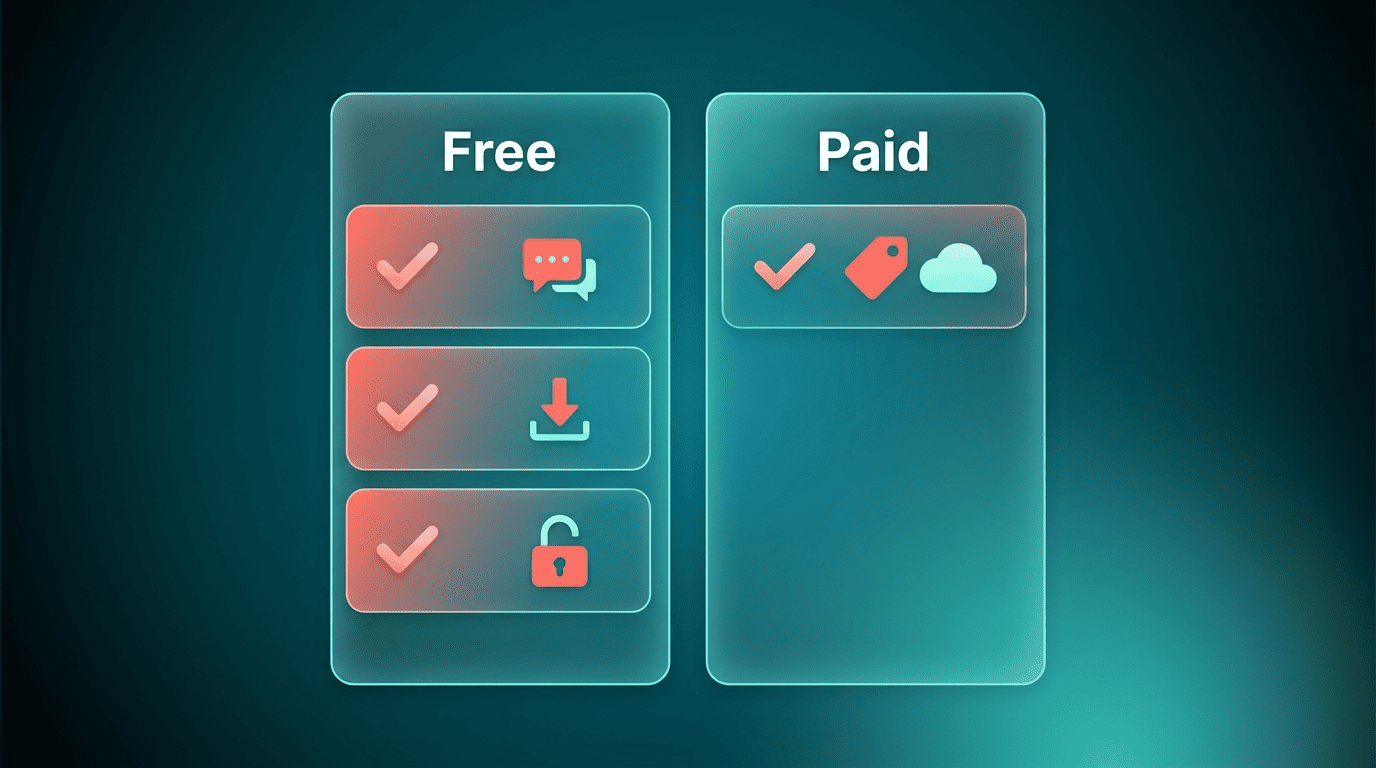
Qwen is free in two distinct ways, and it helps to keep them separate:
- Chatting. The Qwen Chat web app is free to use — no download or setup required.
- Downloading. Many Qwen models are open-weight, released under the Apache 2.0 license, so anyone with the right hardware can download and run them for free.
A hedge worth knowing: some larger or older Qwen models carry a Qwen-specific license instead of Apache 2.0, so it’s worth checking the license on each individual model page before you build something on top of it. Developers who’d rather not run models themselves can instead pay Alibaba Cloud for hosted access through DashScope / Model Studio, billed by usage.
How to use Qwen: where to try it and download it
There are really two audiences here — people who just want to chat, and people who want to build with the models directly.
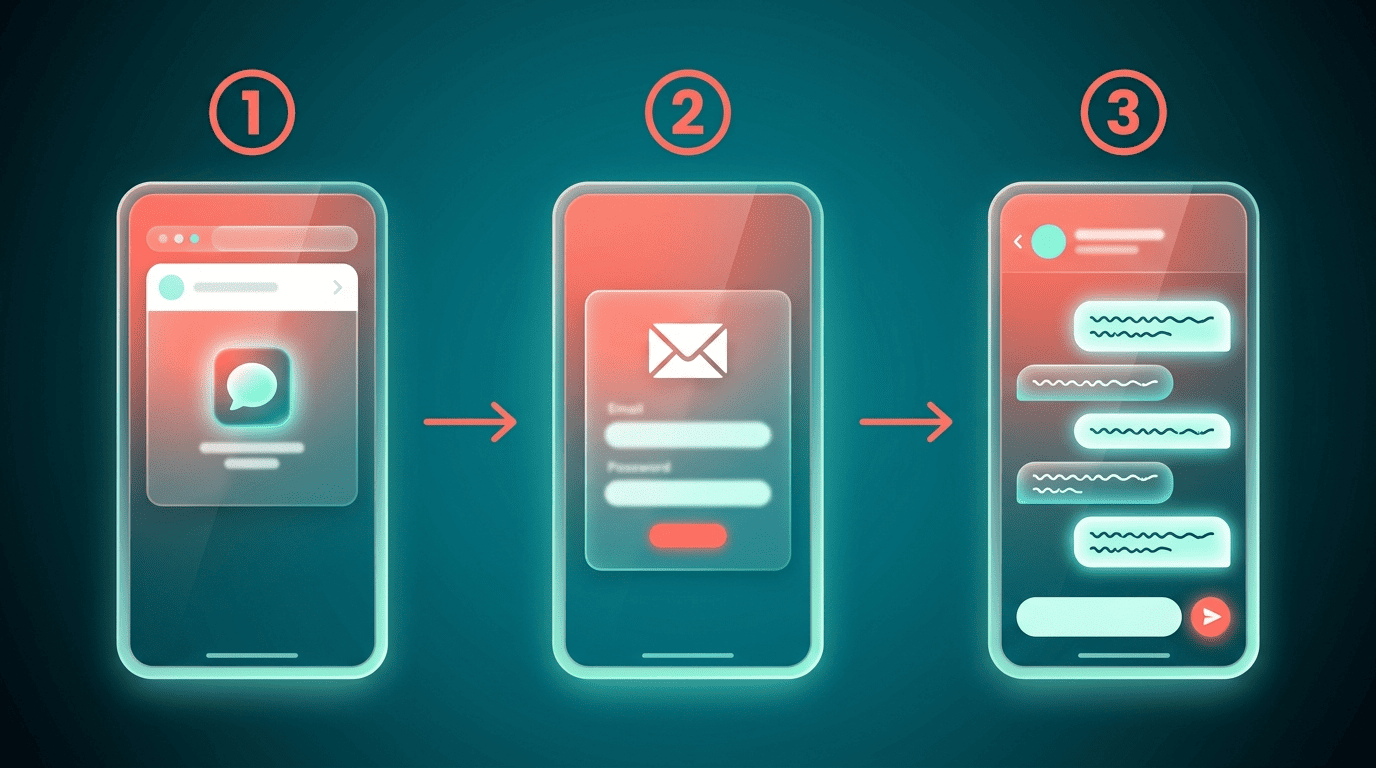
Just want to chat? (easiest)
- Open Qwen Chat at chat.qwen.ai (Alibaba’s free consumer chat app).
- Sign in — for example with an email address — so your chat history is saved.
- Type a question into the chat box and start the conversation, the same way you would with ChatGPT.
Want to download or build with Qwen? (for developers/tinkerers)
- Hugging Face — huggingface.co/Qwen — download open-weight Qwen models directly.
- ModelScope — modelscope.cn — Alibaba’s own model hub, with the same and additional models.
- GitHub — github.com/QwenLM — official code repositories and release announcements.
- Alibaba Cloud (DashScope / Model Studio) — a hosted API for developers who want to call Qwen from their own apps without running it themselves.
- Qwen blog — qwenlm.github.io — where Alibaba posts release notes for new models.
What languages does Qwen speak?
Qwen is strongly multilingual. Alibaba says recent versions support well over 100 languages and dialects — a claim worth attributing directly to Alibaba rather than treating as an independently verified number. The practical takeaway for a newcomer: you can chat with Qwen in English, Chinese, and a long list of other languages without switching tools.
FAQ
Unofficial — not affiliated with, endorsed by, or sponsored by Alibaba or the Qwen team.
Sources: Qwen — Wikipedia · Qwen — Alibaba Cloud · Qwen on Hugging Face · QwenLM on GitHub · Qwen blog · Qwen on ModelScope